Mandatory e-invoicing in Slovakia starting January 1, 2027, will introduce a new way of issuing, delivering, and processing invoices. However, there are still many inaccuracies circulating regarding the upcoming changes. Some may lull companies into a false sense of readiness, while others create unnecessary fears about costly system replacements. Let’s look at the seven most common myths and how mandatory electronic invoicing will actually work.
Myth 1: An electronic invoice is a PDF sent by email
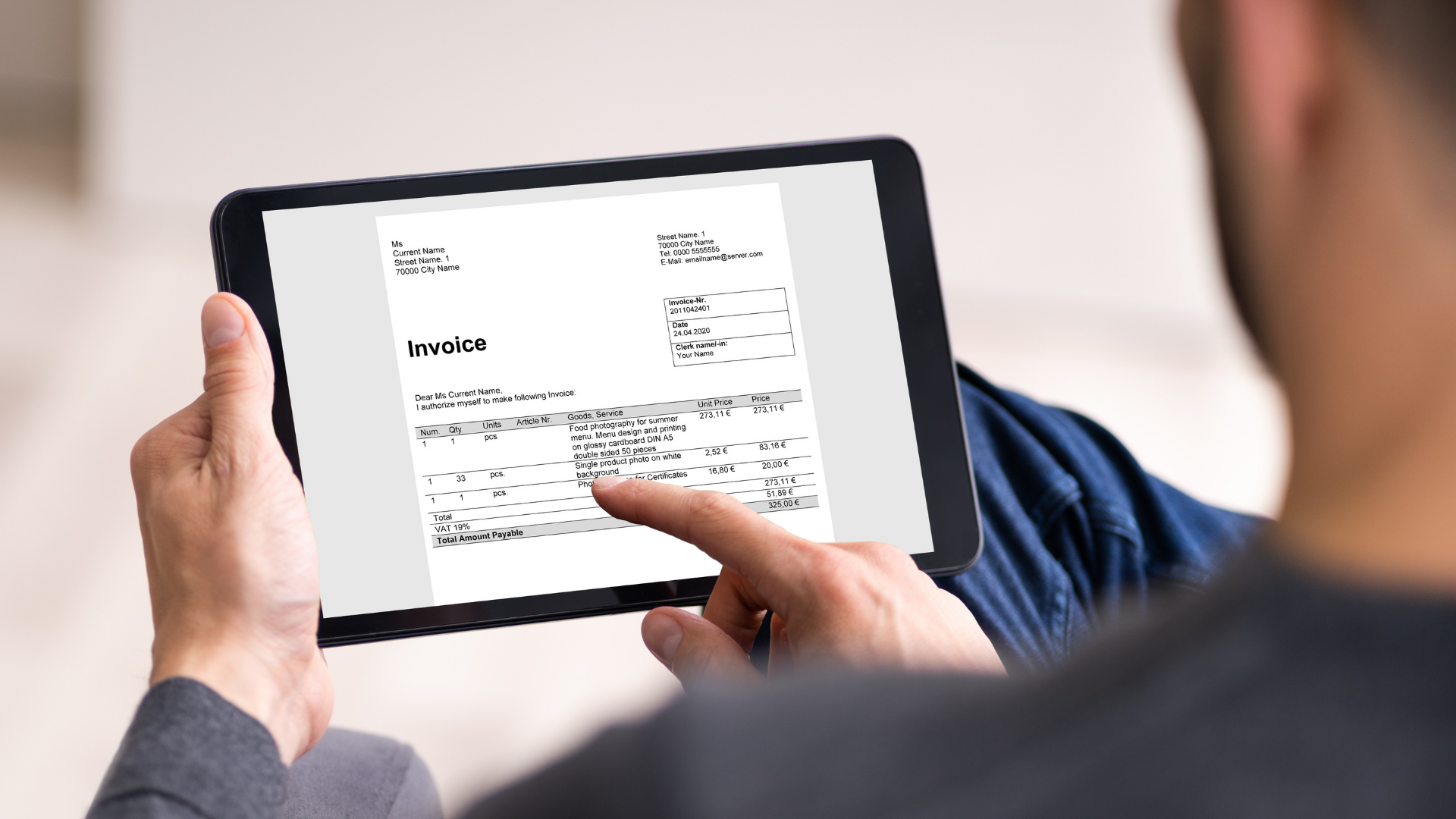
A PDF is merely an electronic representation of an invoice. A mandatory e-invoice will be a structured XML document that complies with the European standard EN 16931 and the rules of Peppol. Therefore, an accounting or ERP system can automatically read and process individual data points without manual retyping.
A PDF can be attached to an electronic invoice for easy reading, but it does not meet the requirements of mandatory e-invoicing on its own. Similarly, a scanned paper document is not sufficient. The difference lies not just in the file extension, but primarily in the structure and machine-readability of the data.
Myth 2: The obligation only applies to VAT payers
That is only partially true. From 2027, the obligation to issue e-invoices will primarily apply to Slovak VAT payers for legally defined domestic transactions. However, the scope of recipients will be broader.
Slovak legal entities and taxable persons, including sole traders, freelancers, and certain non-VAT payers, must also be prepared to receive electronic invoices. Even a company that does not issue mandatory e-invoices itself may therefore need a certified digital postman - which in Slovakia is GRiT - and a suitable way to receive them.
Myth 3: From 2027, absolutely all invoices must be processed electronically
The first phase will focus on defined domestic B2B and B2G transactions. Invoicing to end consumers, i.e., B2C, is not included. Cross-border transactions are not scheduled to join the mandatory regime until July 1, 2030.
Therefore, the deciding factor is not just the company's registered office, but also its legal and tax status and the nature of the specific transaction. For example, a foreign company only registered for VAT in Slovakia may be in a different situation than a Slovak subsidiary or branch. Before making system adjustments, it is therefore advisable to first map the affected companies and invoicing flows.
Myth 4: If you already use EDI or ERP, you don't need to do anything
Both EDI and a high-quality ERP are a good foundation, but they do not guarantee automatic readiness. For example, invoices in EDIFACT format may require conversion to a syntax that complies with the EN 16931 standard, such as UBL or CII XML.
You also need to verify mandatory data, validation rules, connection to the Peppol network, status messages, and error handling. GRiT can connect to your existing EDI, ERP, or accounting system, ensure the necessary data conversion, and link it to a delivery service. This way, your company doesn't have to build a second, separate invoicing process.
Myth 5: A delivered e-invoice is automatically approved
A delivery confirmation proves that the invoice safely reached the correct recipient. However, it does not mean that the customer agrees with the price, content, or its link to a purchase order.
If an invoice is incorrect from a business perspective, the procedure is the same as it is today: the customer contacts the supplier, and the issue is usually resolved with a credit note. Therefore, the solution you use should distinguish between technical validation, delivery status, and the business processing of the invoice.
Myth 6: Companies will have to manually send data from every invoice to the tax authority
When using a certified delivery service, a digital postman ensures the secure delivery of the invoice to the customer and the automatic transmission of the required data to the tax authority. Consequently, a company will not have to enter every document into another government portal.
However, this does not mean you don't need to worry about data quality. If an invoice fails a technical check or contains incorrect identification data, it will need to be corrected and sent again. Therefore, automatic sending must be complemented by validation and clear error handling.
Myth 7: Mandatory e-invoicing will cost the same for all companies
There is no uniform government fee. Certified delivery service providers set their own prices for end users, and the final costs may depend on the volume of communication, the scope of services, and the method of connection.
For simple applications, GRiT uses a regressive pricing model: the more communication that passes through the service, the lower the unit price. For integrated enterprise solutions, the price also reflects the number of companies and systems involved, the complexity of the integration, the level of automation, archiving, and the required support. Therefore, the number of invoices alone does not indicate the total costs.
The biggest myth is that preparation can wait
Mandatory e-invoicing is not just a change in file format. It will affect data creation and verification, delivery, error handling, and the connection of accounting and enterprise systems. The more companies, systems, and invoicing scenarios a firm uses, the sooner it should verify what needs to be adjusted.
GRiT is listed in Slovakia among certified delivery service providers. We will help you map your invoicing flows, verify your readiness, and ensure the conversion, connection, and delivery of e-invoices via the Peppol network.
Don't rely on assumptions when preparing. GRiT will audit your current solution and propose a path to mandatory e-invoicing without unnecessary parallel processes.
Ready to end the chaos in your company?
During a free consultation, we will review your current setup and recommend the next steps based on what your company actually needs.