A successful stocktake depends primarily on thorough preparation. The most common complications arise from unclosed warehouse movements, stock stored outside standard locations, unclearly assigned tasks, or returns and claims without a clear status.
After the pre-Christmas peak, there are usually more returns, work-in-progress shipments, and temporarily set-aside goods in the warehouse. It is therefore advisable to start preparations several weeks before the planned stocktake date.
2–4 weeks before the stocktake: define the scope and rules
First, determine the date and scope of the stocktake. Will you be checking the entire warehouse or individual zones one by one? Will goods receipt and dispatch continue during the stocktake, or will you temporarily restrict operations?
Appoint responsible persons, divide the warehouse into individual sectors, and plan the necessary capacity. For larger warehouses, count on having multiple stocktaking teams and clearly define their responsibilities.
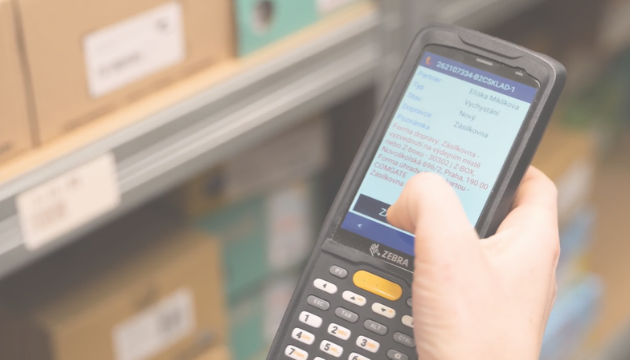
Also, check your technical equipment. If you are going to use barcode scanners, ensure you have enough of them, or hire them in good time. The same applies to handling equipment and gear needed to check stock in high-level storage locations.
One week before the stocktake: prepare the warehouse
Check the status of storage locations and the labelling of individual items. Every item and every location must be clearly identifiable. If the same item is located in multiple places, it must be clear in advance which locations the stocktaking team will include in the check.
Independently check stock outside the standard warehouse flow:
- returns and claims,
- damaged or discarded goods,
- stock awaiting receipt,
- packed orders ready for dispatch,
- goods temporarily stored outside standard storage locations.
These items are a common source of errors, particularly double-counting or, conversely, missing stock.
The day before the stocktake: close off warehouse movements
By the cut-off time for the stocktake, all receipts, issues, and transfers that have physically taken place must be correctly recorded. If warehouse records do not match reality before counting begins, identifying discrepancies later becomes significantly more complicated.
At the same time, every member of staff must know their assigned section, the order of the check, and the procedure for dealing with non-standard situations. This typically involves goods found in the wrong location, unlabelled items, or a significant discrepancy compared to the recorded stock level.
During the stocktake: proceed systematically
When conducting a stocktake using paper sheets, divide the warehouse into clearly defined sectors and determine a uniform direction for the check. Mark locations that have already been checked so that they cannot be counted again or missed out.
If operational conditions allow, staff should not know the expected quantity according to the records during the first count. This ensures the physical check remains independent of the system status.
Companies using a WMS can manage the organisation of the stocktake directly within the system. The warehouse manager assigns checks for selected locations or product ranges, staff receive specific tasks, and the system continuously records completed checks.
After the stocktake: check discrepancies first
Once the physical stocktake is complete, compare the quantities found with the warehouse records. For items with a discrepancy, perform a recount and then investigate the potential cause.
Goods may be stored in a different location, incorrectly classified as returns, or a receipt, issue, or transfer may not have been recorded in time. Only after verifying these facts should you pass the discrepancy on for further evaluation and accounting settlement.
Recurring stocktake discrepancies can highlight weaknesses in warehouse processes. If they regularly involve the same product range, location, or type of movement, focus on analysing the receipt, put-away, stock transfers, picking, and recording of returns.
Warehouse stocktake checklist
Before starting the stocktake, check:
- the date and scope of the stocktake,
- the responsible persons and the division of the warehouse,
- sufficient staff, scanners and handling equipment,
- labelling of warehouse locations and goods,
- stock stored outside standard warehouse locations,
- returns, claims and damaged goods,
- shipments awaiting receipt or dispatch,
- recording all receipts, issues and transfers,
- procedure for identifying discrepancies or goods in the wrong location,
- method for marking locations that have already been checked.
The accuracy of an inventory count depends on the quality of warehouse records maintained throughout the entire operation. LOKiA WMS connects receiving, put-away, transfers, picking and inventory, and manages warehouse staff based on specific locations and tasks. Find out how it can manage inventory and other warehouse processes in your operation – book a consultation and demonstration of LOKiA WMS.
Ready to end the chaos in your company?
During a free consultation, we will review your current setup and recommend the next steps based on what your company actually needs.